
Services
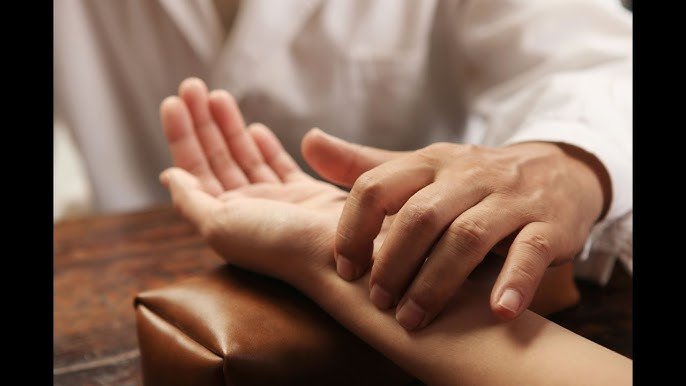
NADI PARISKHA
Nadi Pariksha is an ancient, non-invasive Ayurvedic diagnostic technique involving pulse diagnosis (reading the pulse at the wrist) to assess physical, mental, and emotional health by identifying imbalances in the body’s doshas (Vata, Pitta, Kapha) and underlying root causes of disease, guiding personalized diet, lifestyle, and herbal treatments for holistic balance.
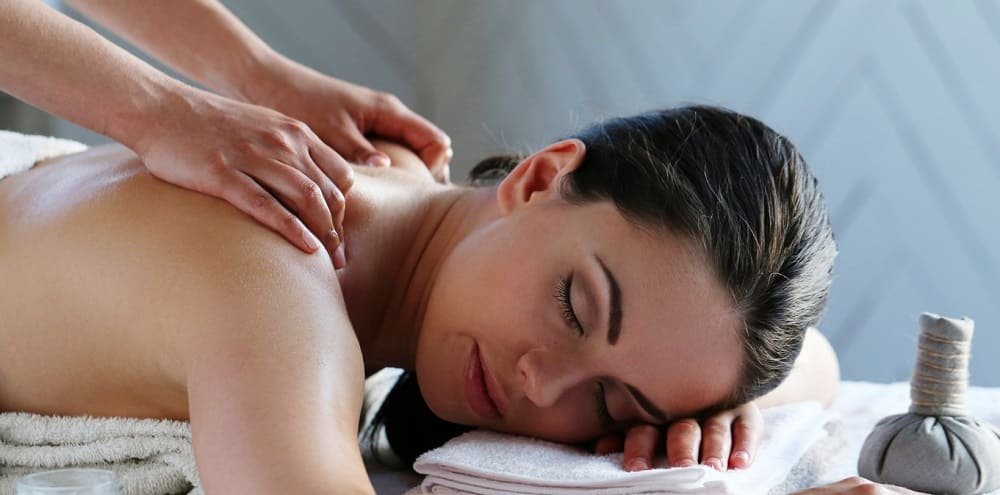
ABHYANGA
Abhyanga is a traditional Ayurvedic full-body massage using warm, herbal-infused oils, promoting deep relaxation, nourishing skin, boosting immunity, improving circulation, and detoxifying the body, often done as a daily ritual (Dincharya) or preparation for Panchakarma, involving long, flowing strokes from extremities towards the heart, with specific movements for joints and abdomen. It helps balance Doshas, reduce stress, improve sleep, and is adaptable for both self-massage (Snehana) and professional treatments.
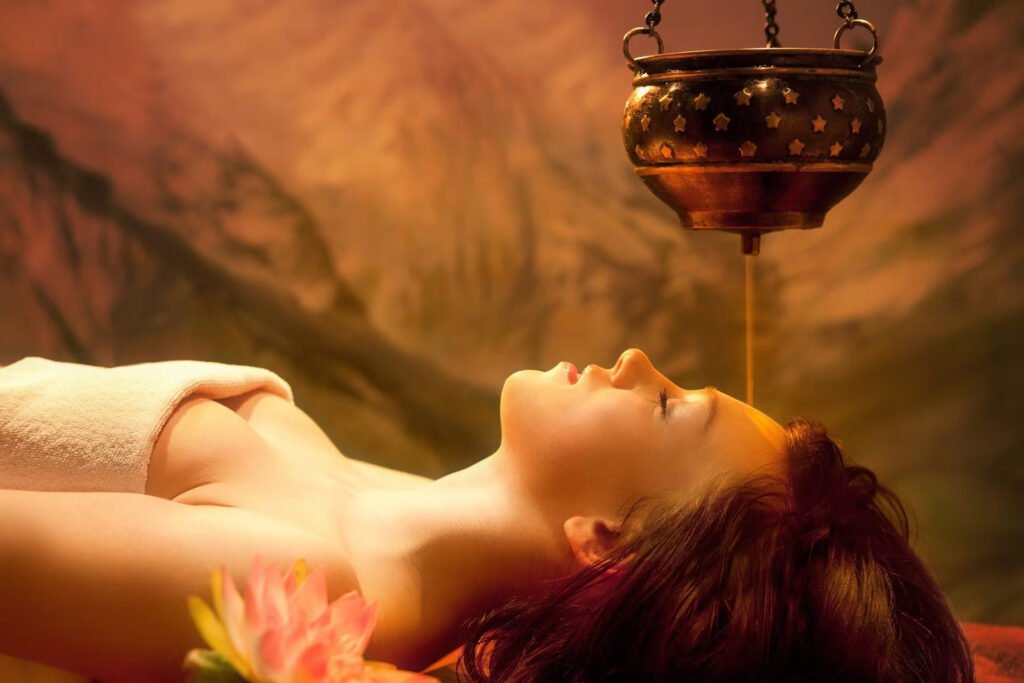
SHIRODHARA
Shirodhara is a traditional Ayurvedic therapy from India, combining “shiro” (head) and “dhara” (flow), where a continuous, warm stream of medicated oil, milk, or buttermilk is gently poured onto the forehead, focusing on the “third eye” area, to induce deep relaxation, calm the nervous system, relieve stress, and promote mental clarity, often used for anxiety, insomnia, and burnout. This simple yet powerful treatment balances the body’s doshas (energies) and supports overall well-being, with benefits like improved focus, better sleep, and mental rejuvenation.
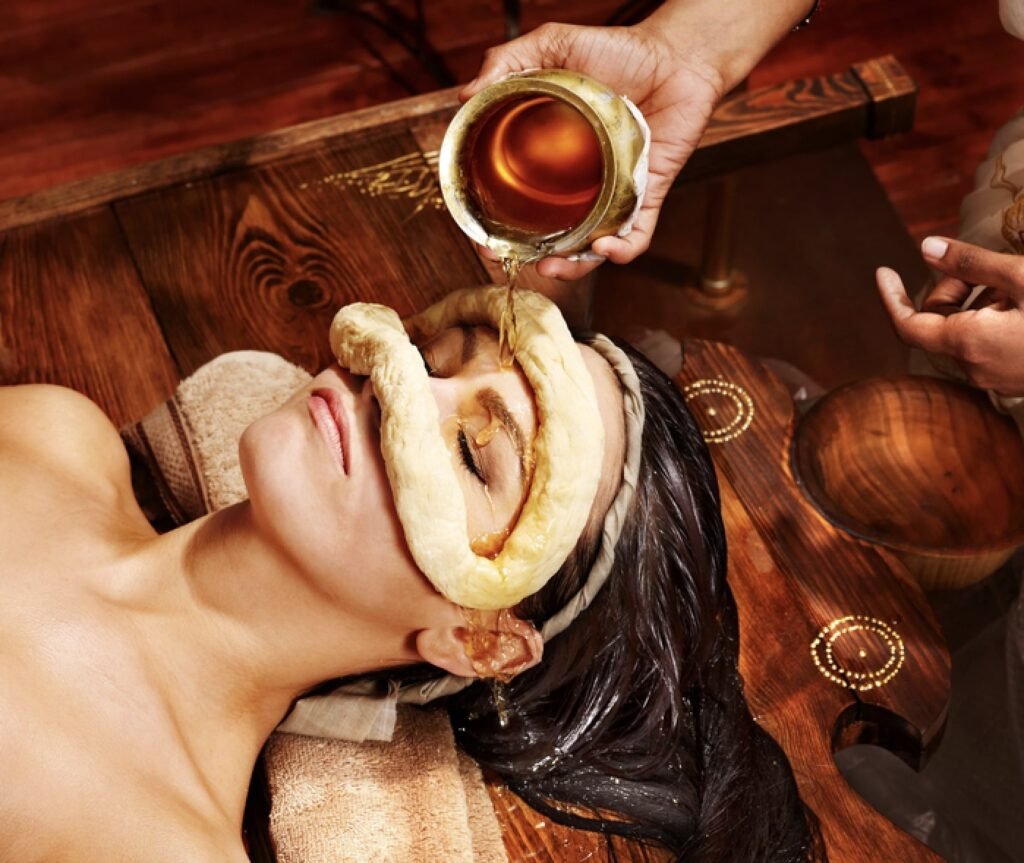
TARPANA
In Ayurveda, Tarpana (or Netra Tarpana) is a specialized, nourishing eye treatment that involves bathing the eyes in a pool of warm, medicated ghee (clarified butter). The name itself translates to “nourishment” (Tarpana) of the “eyes” (Netra).
Benefits and Indications
Tarpana is highly valued for treating eye disorders, especially those caused by the aggravation of Vata and Pitta doshas. It is considered both a preventive and curative therapy.
Relieves Eye Strain: It is an ideal therapy for eye strain caused by prolonged use of computers, televisions, or precision work.
Improves Vision: It is believed to strengthen eye muscles and optic nerves, enhance vision clarity, and help with refractive errors like myopia (nearsightedness).
Soothes Dryness and Irritation: The lubricating nature of ghee helps alleviate dryness, burning sensations, itching, and irritation.
UDWARTANA
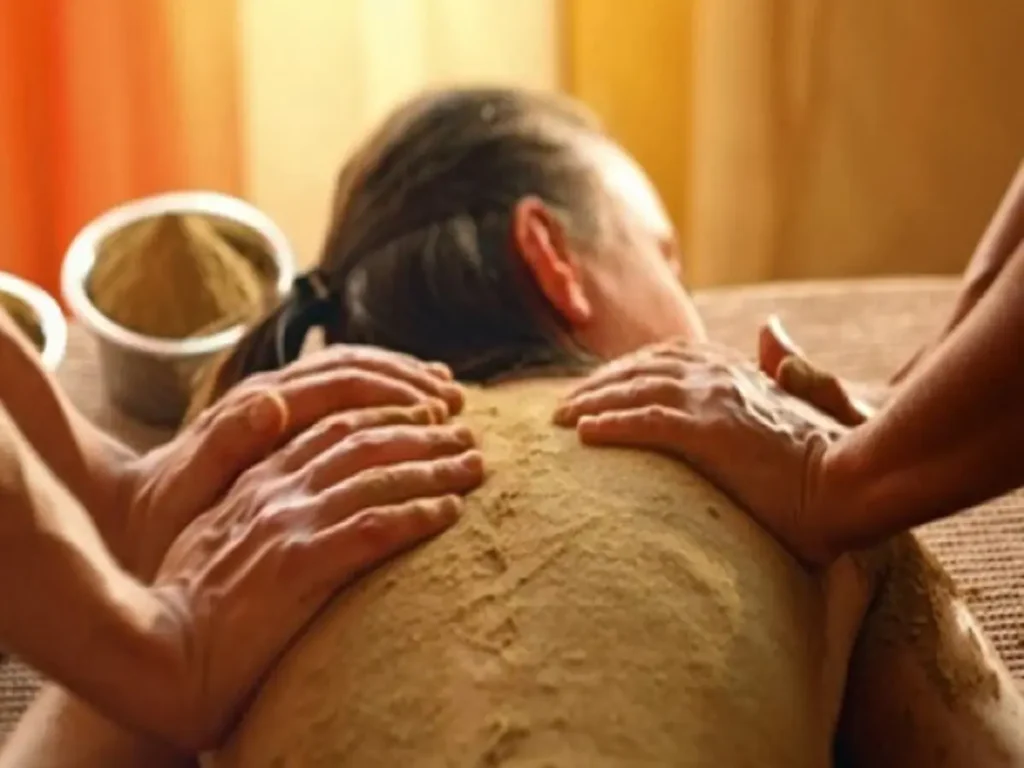
Udvartana is an invigorating Ayurvedic massage therapy that uses dry or medicated herbal powders to massage the body in an upward direction. This technique, which goes against the direction of hair follicles, is a key part of Ayurvedic weight reduction programs and daily healthy regimens (Dinacharya). The procedure typically involves a deep-pressure massage lasting 30-45 minutes, often performed in specific body positions. The masseuse applies the selected herbal powder or paste using brisk, upward strokes against the direction of hair growth. The therapy often concludes with a warm herbal bath or steam (Swedana) to further aid detoxification and relaxation.
This therapy is a versatile treatment recommended for various conditions including dyslipidemia, diabetic neuropathy, and certain skin diseases.
JANU BASTI
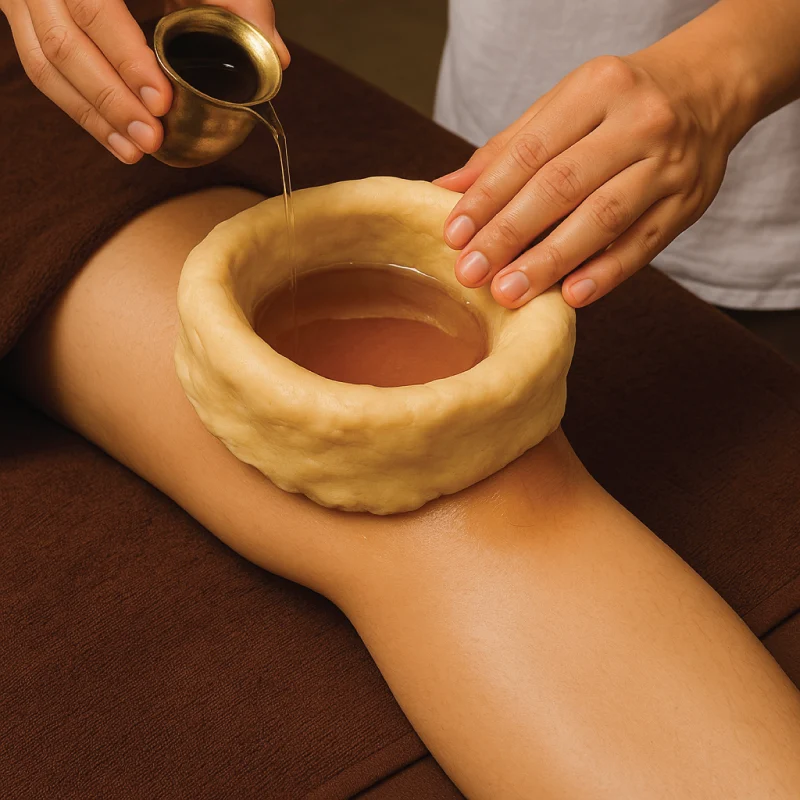
Janu Basti is a specialized Ayurvedic therapy for acute and chronic knee pain and stiffness. The name comes from the Sanskrit words “Janu” (knee) and “Basti” (to hold or retain), describing the procedure of holding warm medicated oil in a reservoir over the knee joint.
Janu Basti is commonly used to alleviate pain and improve mobility by addressing the root cause, which in Ayurveda is often related to an imbalance of the Vata dosha.
Key benefits and conditions treated include:
Pain Relief: Effective in reducing knee joint pain, stiffness, and inflammation.
Joint Health: Nourishes the joint tissues, improves lubrication (synovial fluid), and strengthens the knee joint and surrounding muscles.
Conditions Treated: Commonly indicated for conditions like osteoarthritis, rheumatoid arthritis, gout, ligament injuries, meniscus tears, and general age-related joint degeneration.
Non-Invasive: Offers a natural, non-surgical alternative for managing chronic knee issues without the side effects of some pain medications.
PPS
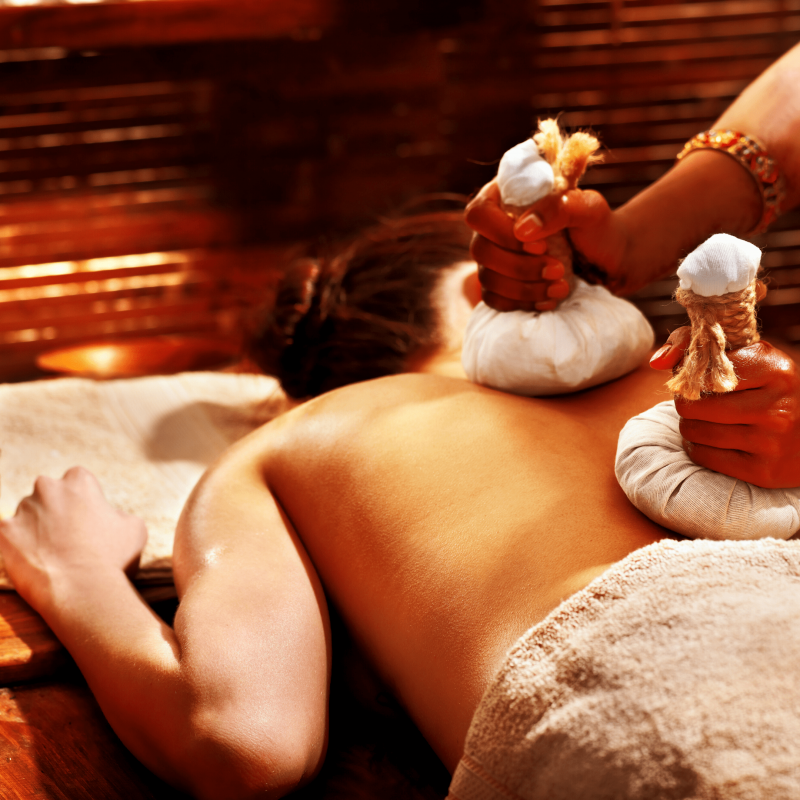
In Ayurveda, PPS stands for Patra Pinda Sweda, which is a highly effective heat therapy used primarily for relieving pain, stiffness, and inflammation associated with musculoskeletal and neurological disorders.
Key Benefits and Indications
PPS is recommended for conditions caused mainly by the vitiation of Vata and Kapha doshas.
Pain Relief: Reduces joint, muscle, and chronic back pain, as well as sprains and cramps.
Reduces Stiffness and Swelling: Highly effective for joint stiffness and inflammation associated with arthritis and spondylosis.
Neuromuscular Health: Beneficial for conditions like sciatica, paralysis, and various musculoskeletal disorders.
Rejuvenation: It is an anti-aging treatment that strengthens muscles, nerves, and tissues, and improves blood circulation and skin tone.
Stress Relief: Helps in eliminating toxins from the body and promoting relaxation and good sleep.
NASYA
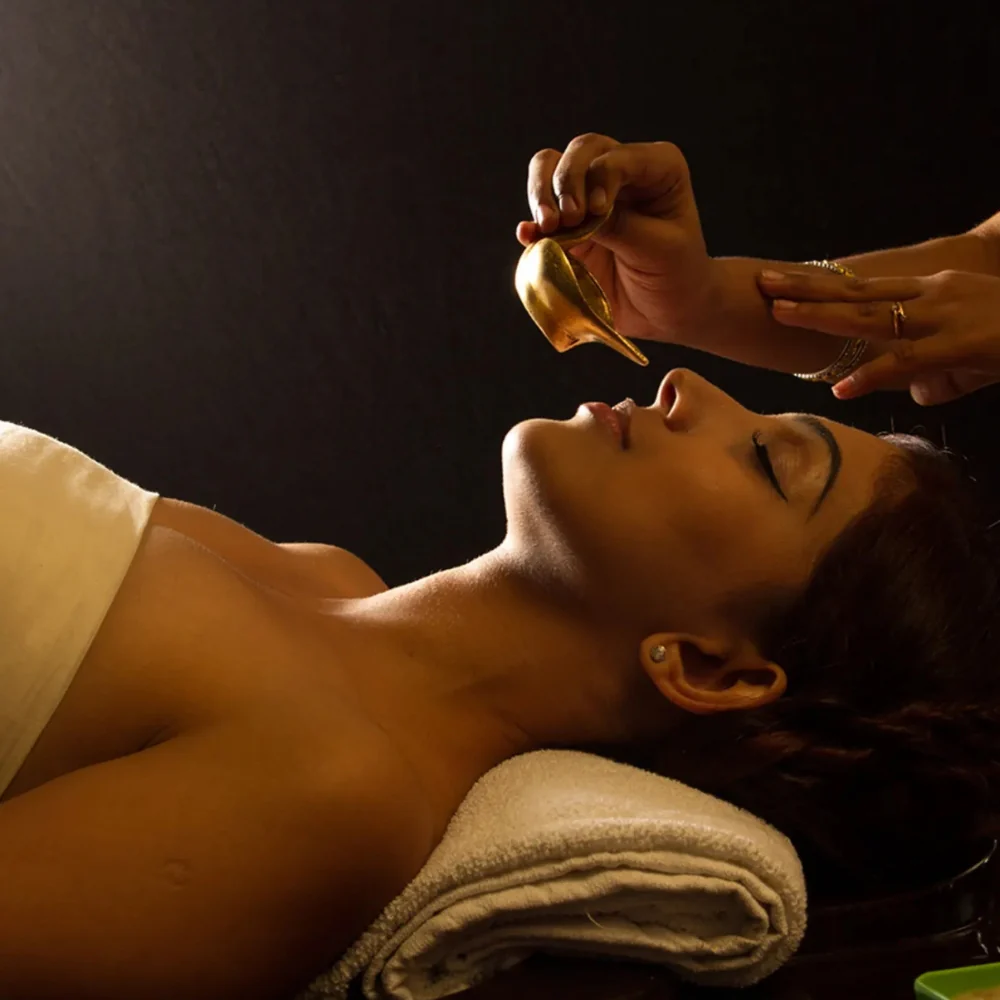
Nasya is a significant therapeutic practice in Ayurveda that involves the nasal administration of medicated substances (oils, ghees, powders, or herbal juices) to cleanse, purify, and nourish the head and neck region. It is considered the “doorway to the brain” and a key part of the five detoxification therapies known as Panchakarma.
Purpose and Benefits
The primary goal of Nasya therapy is to balance the doshas (Vata, Pitta, and Kapha) above the clavicle and remove accumulated toxins (doshas) from the head, neck, sinuses, and respiratory system.
MARMA THERAPY
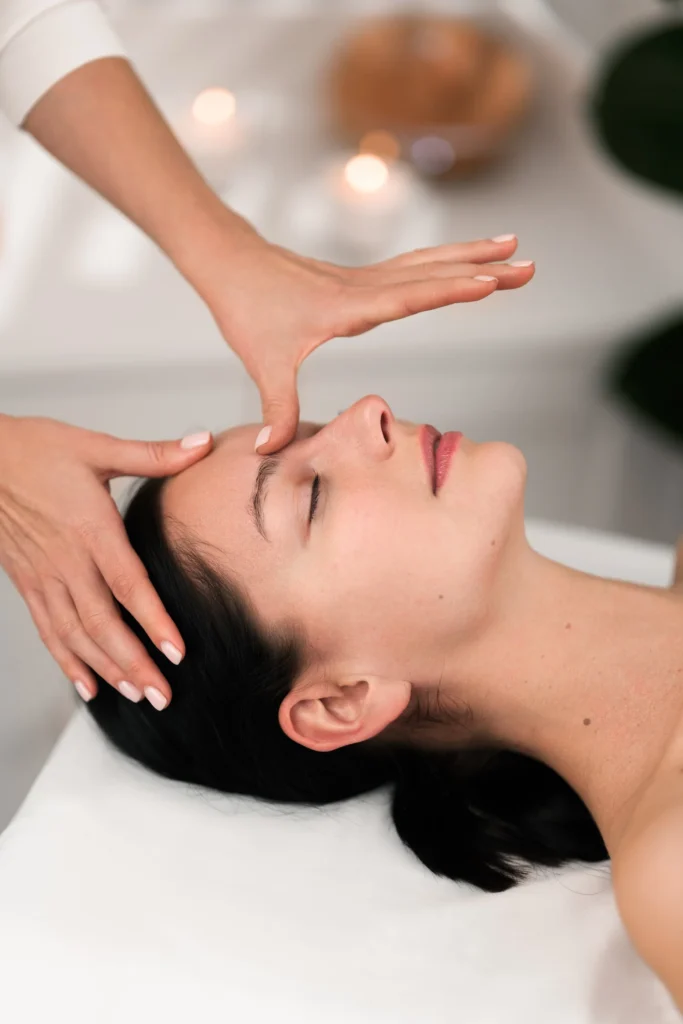
Marma therapy-In today’s time, people are opting for mind-body and behavioral therapies for pain management to avoid the adverse effects of analgesics and anti-inflammatory drugs such as NSAIDs and opioids. Hence, there is a great opportunity for physicians to introduce various nonpharmacological measures such as Marma and Yoga for pain management. Marma Chikitsa has potential in the healing of pain and other suffering including hypertension.
Concept of pain and pain management in bio-medicine
Pain common nomenclature is sharp, crushing, burning, cramping, gassy, throbbing, cutting, aching, slashing, pinpoint, continuous spasm, tearing, lancing, knifing, etc…
According to the duration of symptoms medicine, pain can be classified into:
Acute pain (duration <3 months) – Severe but usually manageable such as surgical pain and pain from injuries
Transitional pain (duration between 3 and 6 months) – Not easily diagnosed, needs aggressive treatment to prevent transition to chronic
Chronic pain (duration >3–6 months) – Difficult to treat, personality changes, drug-seeking.
Patient’s pain can be explained by some special features (according to the International Association of the Study of Pain):
1. Region of the body involved (e.g., abdomen and lower limbs)
2. The system of which any dysfunction may be the cause of the pain (e.g., nervous and gastrointestinal)
3. Duration and manner of occurrence
4. Intensity and time since onset-about intensity, it is common to ask the patient to grade his/her current pain with a scale from 0 to 10 (0 means no pain and 10 means the worst pain)
5. Cause.
F.A.Q.
Lorem ipsum dolor sit amet.
Lorem ipsum dolor sit amet, consectetur adipiscing elit. Ut elit tellus, luctus nec ullamcorper mattis, pulvinar dapibus leo.
Lorem ipsum dolor sit amet, consectetur adipiscing elit. Ut elit tellus, luctus nec ullamcorper mattis, pulvinar dapibus leo.
Lorem ipsum dolor sit amet, consectetur adipiscing elit. Ut elit tellus, luctus nec ullamcorper mattis, pulvinar dapibus leo.
Lorem ipsum dolor sit amet, consectetur adipiscing elit. Ut elit tellus, luctus nec ullamcorper mattis, pulvinar dapibus leo.
Lorem ipsum dolor sit amet, consectetur adipiscing elit. Ut elit tellus, luctus nec ullamcorper mattis, pulvinar dapibus leo.
